
The U.S. economy showed resilience in Q3, but a widening U.S.-Iran conflict sent diesel above $6 a gallon, kept inflation stubbornly high, and pushed the Fed to raise rates for the first time since 2023. In this quarter’s update, we break down how energy prices, inflation, and Fed policy shaped the markets, what to watch heading into Q4, and how it all affects our Structured Note strategies.
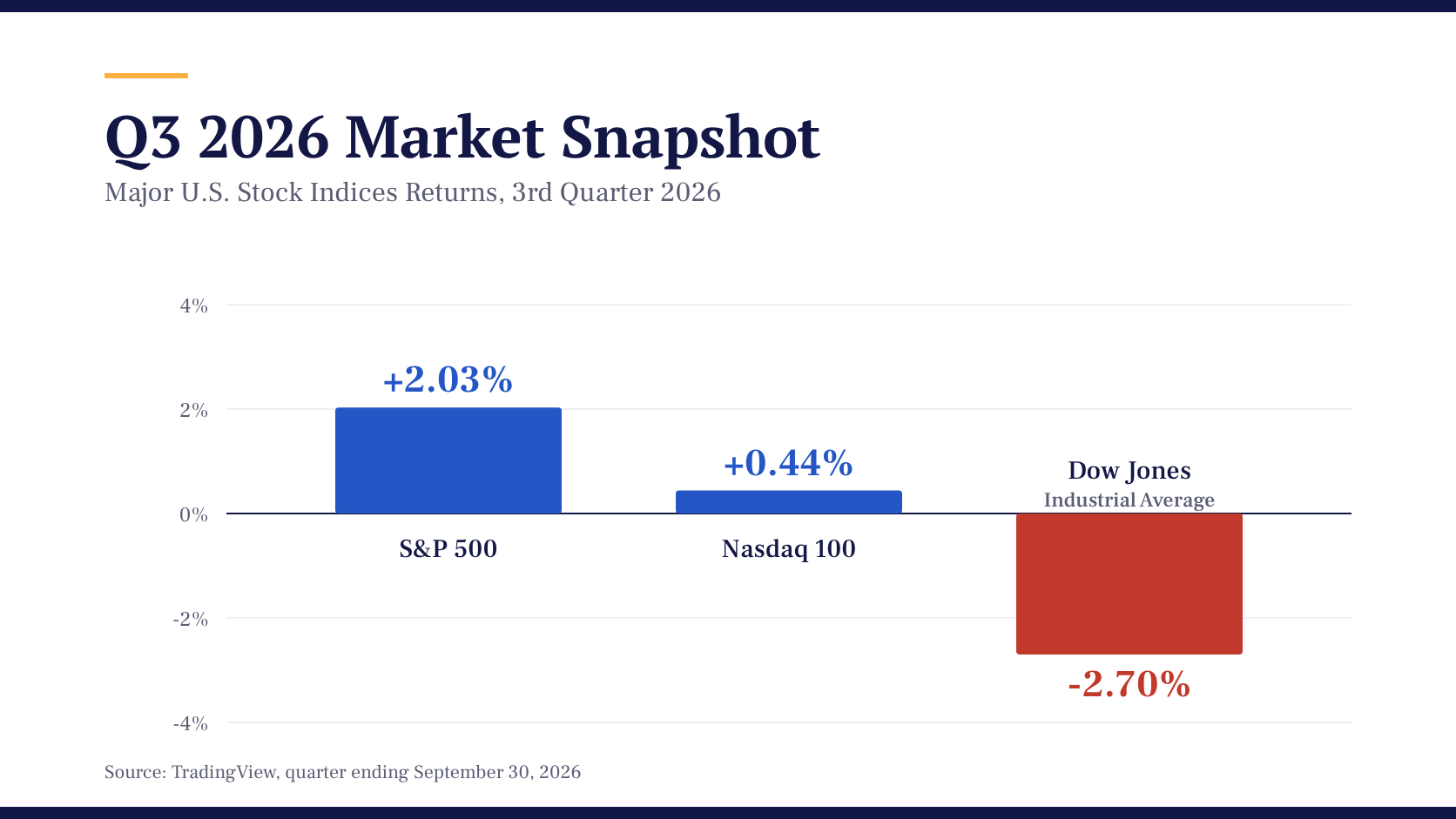

The U.S. economy showed resilience last quarter, but the picture wasn’t all rosy. Hiring slowed sharply, and while consumer spending picked up, the U.S.-Iran conflict drove fuel prices higher and kept inflation elevated. In September, the Fed raised rates for the first time since 2023.
Stocks ended the quarter modestly higher, even as the 10-year Treasury yield hit its highest level since 2007, raising borrowing costs and testing the lofty stock valuations behind the AI rally.
The overview below examines how energy prices, inflation, and Fed policy shaped the quarter’s results.
The U.S.-Iran conflict made diesel the quarter’s most telling price. Diesel powers the trucks, trains, ships, and farm equipment that keep the economy supplied, and late in the quarter, it topped $6 a gallon nationally for the first time. The surge reflected more than expensive crude. Ukrainian strikes on Russian refineries, Iranian attacks on tankers, and Moscow’s export ban sharply cut global diesel supply.
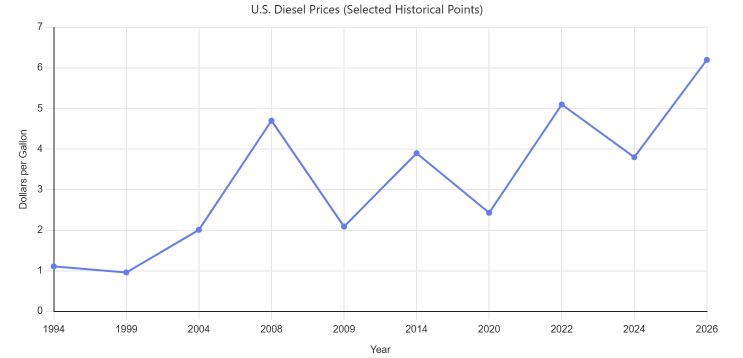
Unlike gasoline, diesel costs are built into nearly everything consumers buy. Businesses can absorb higher fuel bills only for so long before passing them on through freight charges, food prices, and delivery fees. Consumers kept spending, but they grew more anxious about prices, and the diesel spike may help explain why. Even households that never buy a gallon at the pump are paying for it at the checkout.
Energy costs kept inflation from cooling enough to satisfy the Fed under Chair Kevin Warsh. Set food and energy aside, and the picture looked steadier. Underlying price increases held roughly level for months, a sign that the broader economy wasn’t overheating. But with demand holding up and fuel costs still climbing, overall inflation remained well above the Fed’s 2% goal. By late summer, policymakers concluded that waiting carried more risk than acting.
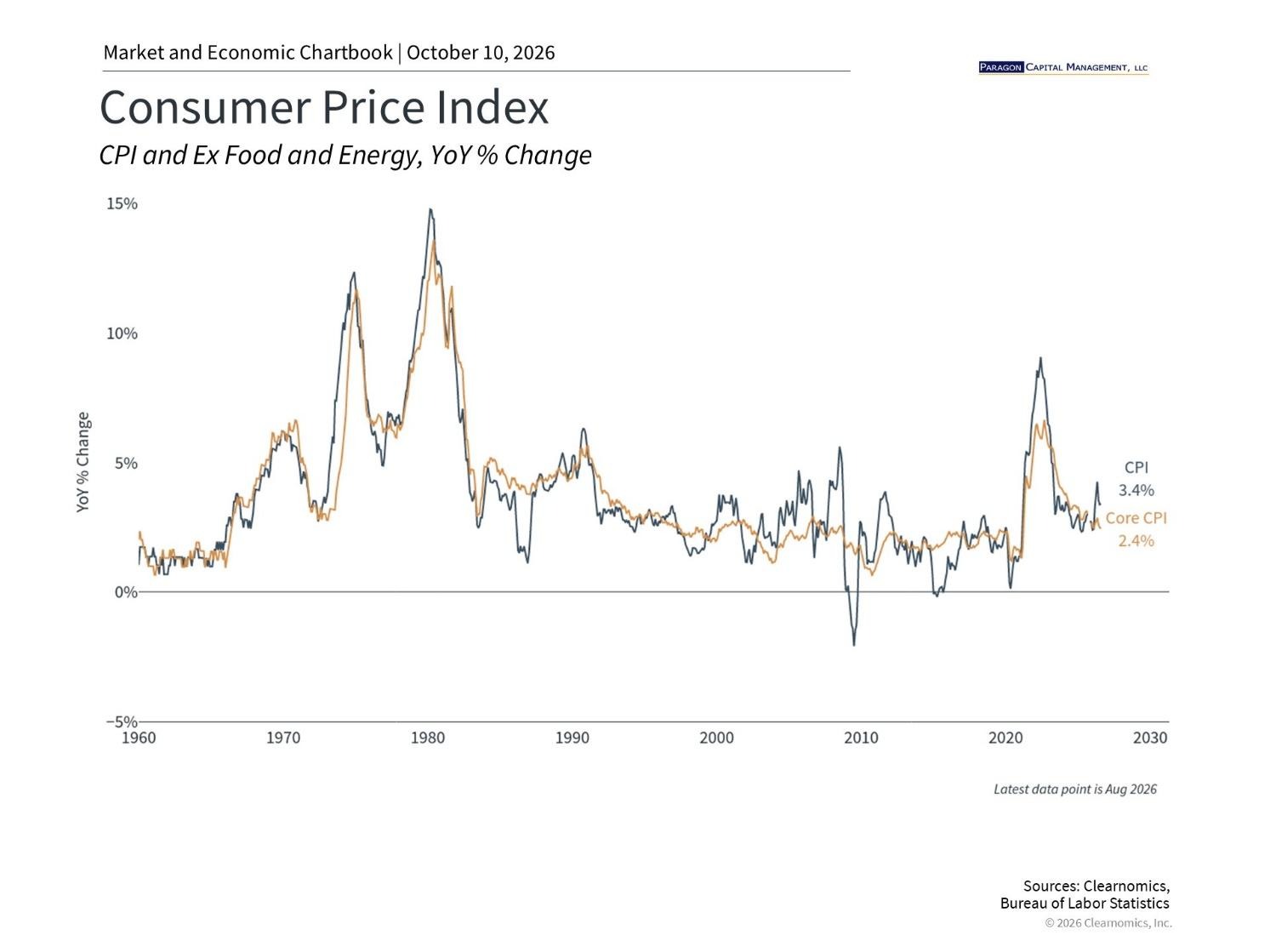
In the above chart, CPI includes all consumer goods and services while Core CPI excludes food and energy.
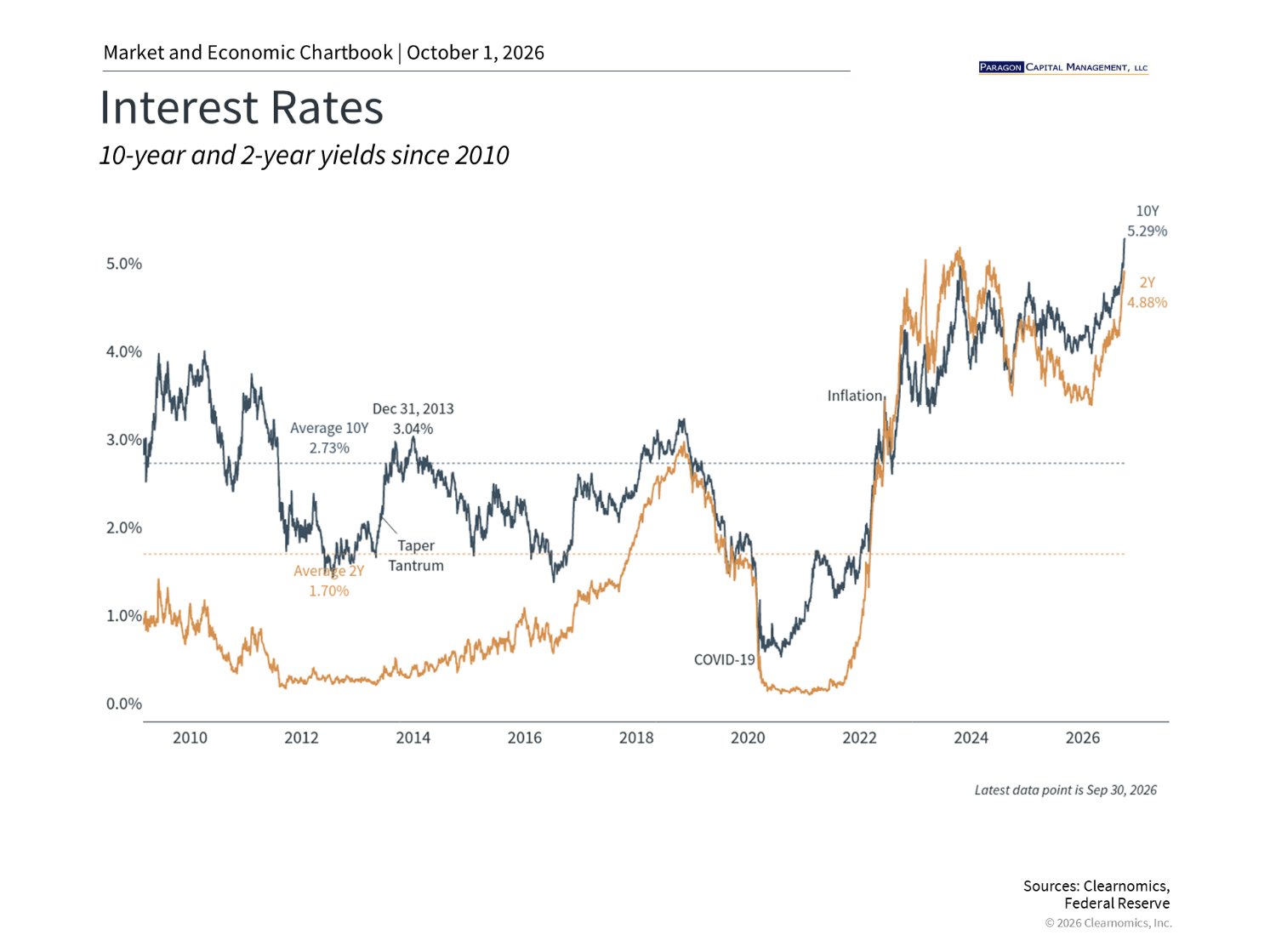
At its September meeting, the Federal Reserve hiked rates for the first time in three years, moving the benchmark federal funds rate to 3.75%-4%. In anticipation of this, bond investors pushed long-term Treasury yields to levels not seen since 2007 the day before the decision, lifting borrowing costs across the economy. The hike itself was modest, but what unsettled investors was the signal behind it. Policymakers indicated that another increase could come before year-end and that rates would likely remain at these levels through 2027.
For savers, this is welcome news. Money market funds, CDs, and short-term bonds now pay noticeably more. Borrowers are facing the opposite, as mortgages and car loans grow costlier.
The Fed’s late-October and early-December meetings are among the quarter’s biggest events, and monthly data releases will continue to offer valuable insights into how inflation affects consumers. In between the two Fed meetings, there is a Mid-term election. The expectation is that the Democratic Party will take control of the House and there are some key races for Senate seats, including one in our backyard, in Kansas, and one in Texas. We try to contain our comments on politics to their effects on the markets.
For our clients who invest in our Structured Note Strategy, volatility is an important factor in pricing. Interest rates is another, with note pricing benefitting from higher volatility and interest rates. Volatility is measured by the VIX, see chart below. The spike seen in 2025 was caused by the announcements of the tariffs. Despite the increase in diesel fuel, inflation and interest rates, along with geopolitical events like the war in Iran, Russia/Ukraine, tension in China and a US mid-term, volatility has remained near historic lows.
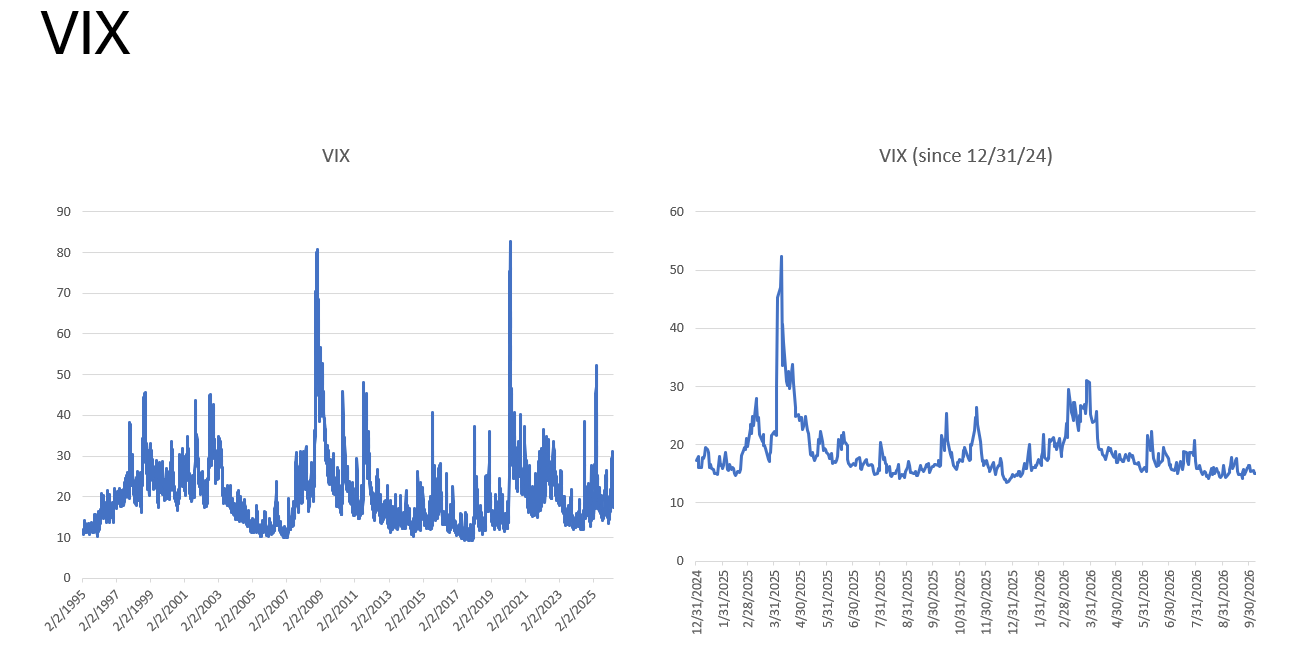
The impact of the lower VIX has been minor. For our core Callable Yield Note strategy with a 70% barrier (30% downside protection) we averaged around 12% range for contingent coupons. In our Catapult strategy, we were able to structure deals with the potential for 18-19% call premium in the event the notes are called at the call review date. For more information on any of our Structured Note strategies, please reach out to any wealth advisor at Paragon!
We will be offering quarterly town hall meetings following each quarter end to provide an update on the markets, the economy, and to answer your questions. We hope you can join us for these opportunities. Watch for more information in your email.
Our website and YouTube channel offer a wealth of information. You can find our videos through our website at:https://www.paragoncap.com/quarterly-market-insightsor on our YouTube channel at https://youtube.com/@paragoncap. If you subscribe to our YouTube channel by hitting the “subscribe” button, you will be notified when new videos are posted.
In addition, for up-to-date news and thoughts from Paragon, plus interesting articles on current topics, we encourage you to follow us on LinkedIn and/or Facebook (links below). We have company pages for both and appreciate your liking and/or following us.
Also, please share your experiences with friends and family; we love the opportunity to help those you know with their financial success.


Whether you feel as if you’ve outgrown your advisor or you just want a fresh perspective on portfolio strategies in our current market, our team of experts is here for you.


